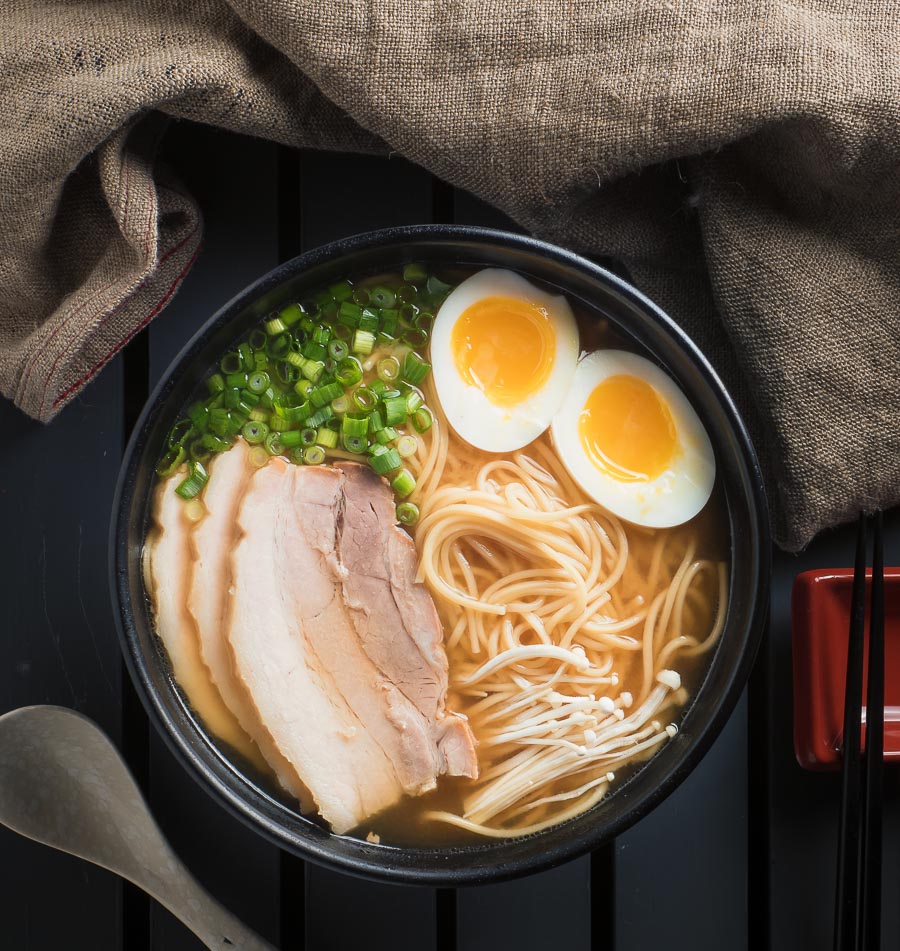
Imagine a chilly evening, and the craving for something deeply comforting, profoundly flavorful, and undeniably satisfying takes hold. For many, that longing points directly to a steaming bowl of ramen. But not just any ramen – we're talking about the rich, complex, and utterly delightful experience of homemade miso ramen with chashu pork. While often perceived as a dish best left to seasoned chefs in bustling ramen shops, crafting this culinary masterpiece at home is not only achievable but immensely rewarding. It’s an intermediate cooking adventure that promises an explosion of umami, tender textures, and a warmth that spreads from your belly to your soul.
This guide will walk you through the essential elements of creating a truly authentic and delicious bowl of homemade miso ramen with chashu pork, bringing the vibrant flavors of Japan right into your kitchen. Prepare for a journey that transforms simple ingredients into a gourmet delight.
The Art of Homemade Miso Ramen: Why It's Worth the Effort
Some recipes are for speed; others are for the soul. Homemade ramen, particularly one as intricate as miso ramen with chashu pork, firmly belongs in the latter category. It demands time, patience, and a dash of planning, but the payoff is an unparalleled depth of flavor and a sense of accomplishment that a takeout container simply cannot match. From the moment you begin braising the pork belly to the final artful arrangement of toppings, every step is an investment in an experience.
Unlike instant varieties or even many store-bought options, a homemade ramen allows you to control the quality of every ingredient, from the richness of the broth to the tenderness of the pork and the freshness of the vegetables. You can personalize the spice level, adjust the saltiness, and choose your favorite type of miso, ensuring that the final bowl is perfectly tailored to your palate. This meticulous attention to detail is what elevates a simple meal into a memorable culinary event, making every minute spent in the kitchen utterly worthwhile.
Mastering the Components: Broth, Chashu, and Beyond
A truly exceptional bowl of ramen is a symphony of distinct components, each playing a crucial role. Understanding and mastering these individual elements is key to achieving that authentic ramen shop taste.
Crafting the Umami-Rich Miso Broth
The broth is the heart of any ramen, and in miso ramen, it's where the magic truly happens. Our base begins with a robust chicken stock, providing a savory foundation. The distinct flavor profile comes from the carefully balanced blend of miso pastes. Typically, a combination of white (shiro) miso and red (aka) miso is used:
- White Miso: Milder and sweeter, offering a light, earthy, and subtly fermented flavor.
- Red Miso: More assertive and salty, with a deeper, richer umami intensity.
Whisking the miso pastes with a ladle of hot stock before adding them to the main pot ensures a smooth, lump-free integration, preventing the miso from clumping and preserving its delicate flavor structure. Infused with grated fresh ginger, minced garlic, and a touch of fragrant sesame oil, this broth transforms into a complex, savory liquid that is deeply comforting and profoundly umami-packed. Simmering for just 15 minutes after adding the miso allows the flavors to meld beautifully without overcooking the delicate miso notes.
The Star of the Show: Melt-in-Your-Mouth Chashu Pork
No discussion of authentic ramen, especially miso ramen with chashu pork, is complete without dedicating significant attention to the chashu. This impossibly tender, savory pork belly is a cornerstone of the ramen experience. The process involves slow-braising a pound of succulent pork belly in a fragrant mixture of water, soy sauce, sake, mirin, sugar, smashed garlic, and sliced ginger. This aromatic liquid not only tenderizes the pork to perfection but also infuses it with layers of sweet and savory notes.
The key to perfect chashu lies in patience. A two-hour simmer, with occasional turning, allows the connective tissues in the pork belly to break down, resulting in that coveted melt-in-your-mouth texture. Once cooked, it's crucial to let the pork cool, ideally in its braising liquid, before slicing it thinly. This makes for cleaner cuts and allows the flavors to further permeate. Leftover chashu can be a treasure, perfect for other dishes or simply reheated gently before serving.
Noodles and Essential Toppings: Completing the Bowl
While broth and chashu lay the foundation, the right noodles and a thoughtful selection of toppings complete the ramen experience:
- Noodles: Fresh ramen noodles are paramount. Their springy texture and ability to absorb the rich broth are essential. Cook them according to package instructions, ensuring they are al dente.
- Soft-Boiled Eggs: Often referred to as "ajitsuke tamago" (marinated eggs) in Japan, perfectly soft-boiled eggs with a jammy yolk are non-negotiable. Cooking them for precisely 6 minutes in boiling water, followed by an ice bath, yields this ideal consistency. Peeling them carefully and halving them before serving adds both visual appeal and textural richness.
- Vegetables & Umami Boosters: A vibrant mix of corn kernels, crunchy bean sprouts, thinly sliced green onions, and earthy bamboo shoots adds freshness, texture, and color. A sheet of nori (seaweed), partially submerged in the broth, offers a subtle oceanic umami note that complements the miso beautifully.
These components, thoughtfully prepared and harmoniously combined, transform simple ingredients into a truly soul-warming bowl.
Your Step-by-Step Journey to Miso Ramen Perfection
Embarking on the creation of homemade miso ramen with chashu pork is a delightful culinary journey. While the process takes approximately 3 hours (30 minutes prep, 2 hours 30 minutes cook time for 4 servings), the steps can be broken down to make it manageable and enjoyable. This intermediate-level recipe will empower you to Master Authentic Japanese Miso Ramen with Chashu Pork with confidence.
- Chashu First: Begin by preparing your chashu pork. This is the longest cooking component, making it an excellent candidate to start first or even make a day in advance. Combine the braising liquid ingredients, add the pork belly, and simmer for two hours. Once done, remove, cool, and slice.
- Broth Building: While your chashu simmers, or after it's done, move on to the miso broth. Bring chicken stock to a gentle simmer. In a separate bowl, whisk together your white and red miso pastes with a ladle of hot stock until smooth. Add this mixture back to the pot along with soy sauce, sesame oil, grated ginger, and minced garlic. Let it simmer gently for about 15 minutes to allow the flavors to deepen and meld.
- Topping Prep & Noodle Cook: As your broth finishes, prepare your remaining components. Soft-boil your eggs to achieve that perfect jammy yolk, then cool and halve them. Get your corn, bean sprouts, bamboo shoots, and green onions ready. Finally, just before assembly, cook your fresh ramen noodles according to package directions. Timing is key here; you want the noodles perfectly cooked and hot when the broth is ready.
- Assemble and Serve: Divide the hot, drained noodles among four large, deep bowls. Ladle the simmering miso broth generously over the noodles. Artfully arrange slices of your tender chashu pork, a halved soft-boiled egg, corn, bean sprouts, bamboo shoots, and a sprinkle of green onions on top. Tuck a sheet of nori into the side of each bowl. Serve immediately and savor every spoonful of your homemade masterpiece. This careful assembly is how you Craft a Soul-Warming Miso Ramen Bowl with Tender Chashu.
Chef's Secrets and Customization Tips
Elevating your homemade miso ramen with chashu pork from great to extraordinary often comes down to a few insider tips and the willingness to customize. Here are some insights to help you perfect your bowl:
- Spice It Up: For those who love a kick, consider adding a tablespoon of chili oil (rayu) or a teaspoon of Japanese seven-spice blend (shichimi togarashi) to each bowl just before serving. A dollop of Gochujang (Korean chili paste) can also add a delightful heat and umami.
- Make Ahead Magic: The chashu pork is an ideal component to prepare a day or two in advance. Store it in its braising liquid in the refrigerator; this allows the flavors to deepen even further. The braising liquid itself can be reduced and used as an extra flavor enhancer for your broth or as a sauce for other dishes. Similarly, a significant portion of your broth can be made ahead and stored, making assembly much quicker on ramen night.
- Vegetarian Twist: The beauty of ramen is its adaptability. For a delicious vegetarian version, simply swap chicken stock for a high-quality vegetable stock. Replace the chashu pork with savory sautéed shiitake mushrooms, crispy pan-fried tofu, or even marinated eggplant slices. These alternatives still provide depth and satisfying texture.
- Umami Boosters for Broth: To deepen your broth's umami profile even further, consider simmering a piece of dried kombu (seaweed) or a few dried shiitake mushrooms in your chicken stock during the initial stages. Remove them before adding the miso.
- Egg Perfection: For the ultimate "ramen egg," consider marinating your soft-boiled eggs for a few hours (or overnight) in a mixture of soy sauce, mirin, and a little water after they've cooled. This adds incredible flavor and a beautiful color to the whites.
- Adjusting to Taste: Don't be afraid to taste and adjust your broth. A little more soy sauce can enhance savoriness, while a pinch of sugar can balance the saltiness of the miso.
Crafting homemade miso ramen with chashu pork is more than just following a recipe; it's an immersive culinary experience. It’s about celebrating rich flavors, tender textures, and the satisfaction of creating something truly special from scratch. While it requires a bit of time and effort, the reward – a steaming bowl of deeply savory, profoundly comforting ramen – is utterly priceless. So, gather your ingredients, set aside an afternoon, and dive into the delicious world of homemade Japanese ramen. Your taste buds will thank you.
