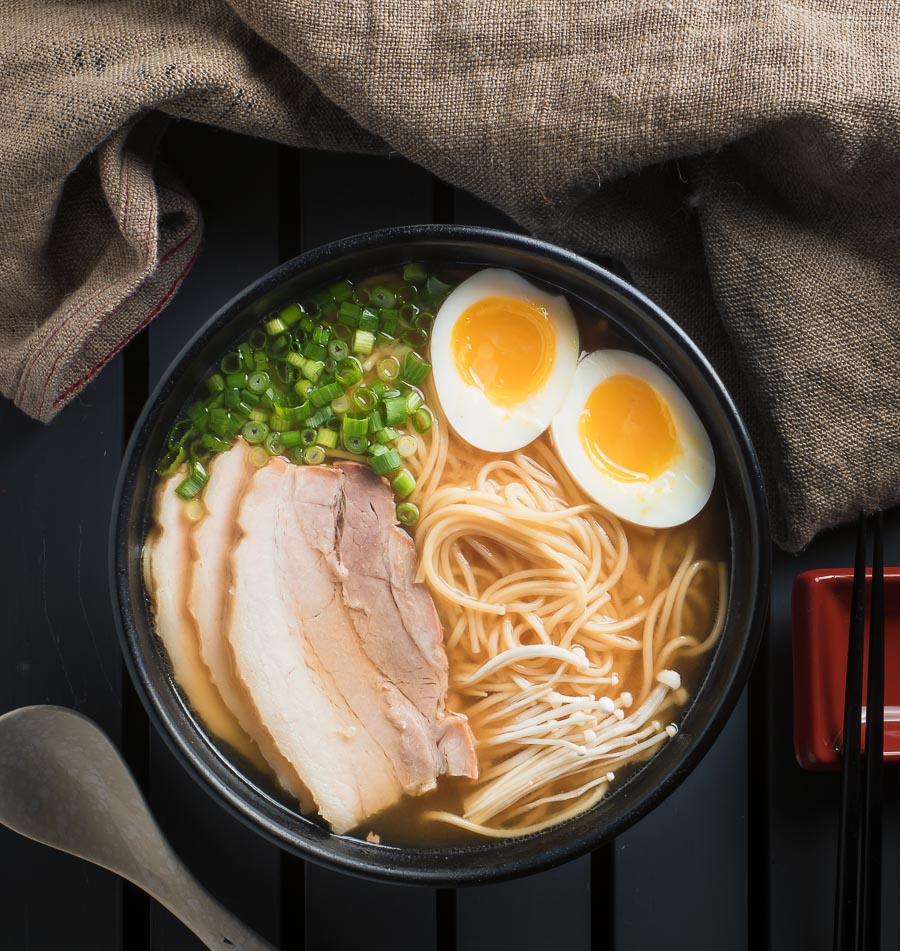
Imagine a culinary journey that transports you straight to the bustling ramen shops of Japan, right from the comfort of your own kitchen. This isn't just any ramen; we're talking about a rich, soul-warming bowl of miso ramen with chashu pork – a symphony of deep umami, tender textures, and vibrant flavors. While some recipes promise speed, this one offers an experience. It's a labor of love that rewards you with a dish so profoundly satisfying, it makes every minute spent worthwhile. If you're ready to dive into the art of Japanese comfort food, prepare to craft a masterpiece that will warm your heart and tantalize your taste buds.
The Culinary Journey: Why Homemade Miso Ramen with Chashu Pork?
In a world full of quick fixes, choosing to make miso ramen with chashu pork from scratch might seem daunting. However, the difference between a pre-packaged noodle soup and a homemade bowl is monumental. Crafting this dish at home allows for unparalleled control over the quality and depth of every ingredient. You control the richness of the broth, the perfect tenderness of the pork, and the freshness of your toppings. This isn't just about feeding yourself; it's about engaging in a culinary tradition, understanding flavor profiles, and ultimately, creating a deeply personal and incredibly rewarding meal.
The beauty of homemade ramen lies in the layering of flavors. Each component, from the savory broth to the melt-in-your-mouth chashu and the springy noodles, contributes to a harmonious whole. While it does require an intermediate level of cooking skill and a few hours of dedicated time, the process is broken down into manageable steps. The "intermediate" difficulty primarily comes from the time commitment and the coordination of multiple elements, but individually, each step is straightforward and achievable for any enthusiastic home cook. The payoff? A bowl so authentic, so delicious, it rivals what you'd find in the best ramen establishments, leaving you with a profound sense of accomplishment and unparalleled satisfaction.
Crafting the Unforgettable: Your Guide to a Rich Miso Broth
The broth is undeniably the soul of any ramen, and in miso ramen with chashu pork, it's a creamy, umami-packed delight that forms the foundation of the entire dish. Our journey begins with a robust chicken stock, chosen for its balanced flavor that provides a perfect canvas for the assertive notes of miso. While a traditional tonkotsu broth involves hours of simmering pork bones for a milky, collagen-rich base, chicken stock offers a fantastic, flavorful alternative that significantly reduces total cooking time without sacrificing depth.
The magic truly happens with the miso paste. We use a combination of white and red miso for a complex flavor profile. White miso (shiro miso) is typically lighter, sweeter, and less salty, lending a subtle fermented richness. Red miso (aka miso) is aged longer, resulting in a deeper, saltier, and more pungent flavor with profound umami. Blending these two creates a beautifully nuanced broth that is both comforting and exhilarating. The key is to whisk the miso pastes with a small amount of hot stock in a separate bowl until perfectly smooth before adding it to the main pot. This prevents lumps and ensures the miso disperses evenly, infusing the broth with its signature flavor. Freshly grated ginger and minced garlic are essential aromatics, adding a fragrant warmth and a subtle kick. Finally, a touch of sesame oil rounds out the broth with its distinctive nutty aroma, adding another layer of depth that is utterly irresistible. Allow the broth to simmer gently for at least 15 minutes after adding the miso to let all the flavors meld and deepen, creating an incredibly satisfying base for your homemade miso ramen.
The Crown Jewel: Mastering Tender, Flavorful Chashu Pork
No bowl of authentic miso ramen with chashu pork is complete without the star attraction: the melt-in-your-mouth, impossibly tender chashu. This isn't just any pork; it's pork belly, revered for its perfect balance of lean meat and luscious fat. This fat renders beautifully during the slow braising process, resulting in pork that is unbelievably succulent and full of flavor. The chashu is typically rolled and tied before braising to maintain its shape, but for simplicity, a slab of pork belly works just as wonderfully and yields equally delicious results.
The braising liquid is where the pork truly transforms. It's a carefully balanced concoction of traditional Japanese seasonings: soy sauce for umami and salinity, sake for depth and to tenderize the meat, mirin for a touch of sweetness and glaze, and sugar to encourage a beautiful caramelization and balance the savory notes. Smashed garlic cloves and sliced ginger infuse the liquid with aromatic warmth, permeating every fiber of the pork. The secret to perfect chashu lies in the slow simmer – for at least two hours – allowing the pork to gradually absorb all these incredible flavors while becoming incredibly tender. Turning the pork occasionally ensures even cooking and flavor absorption. Once cooked, it's crucial to let the chashu cool slightly before slicing it thinly. This helps the meat firm up, making for cleaner, more intact slices. For an even more intense flavor, you can let the pork cool completely in the braising liquid, allowing it to soak up additional deliciousness. The leftover braising liquid, often called tare, can be reduced to make an amazing sauce or used to marinate your ramen eggs for a truly authentic touch. You can prepare your chashu a day in advance, making your ramen assembly process much smoother and allowing flavors to develop further.
Assembling Your Soul-Satisfying Bowl: Noodles and Toppings
With your rich miso broth simmering and your tender chashu patiently waiting, the final stage is bringing all the components together to create your ultimate bowl of miso ramen with chashu pork. The choice of noodles is paramount. Opt for fresh ramen noodles if available, as they offer a superior chew and texture compared to their dried counterparts. Cook them strictly according to package instructions – a minute or two can mean the difference between perfectly springy and overly soft noodles. An al dente texture is ideal, as they will continue to soften slightly in the hot broth.
Beyond the noodles, the toppings are what give ramen its visual appeal and textural diversity. The soft-boiled egg is a quintessential ramen topping, ideally cooked to have a jammy, custardy yolk. Gently lowering eggs into boiling water for exactly 6-7 minutes (depending on your preference for yolk runniness) followed by an immediate ice bath will give you that perfect result and make them easier to peel. Halve them just before serving to reveal their golden centers. Add a burst of freshness and crunch with thinly sliced green onions and crisp bean sprouts. Sweet corn kernels provide a pleasant contrast, while sliced bamboo shoots offer a unique, slightly earthy umami. Finally, a sheet of nori seaweed, partially submerged in the hot broth, adds a delicate oceanic flavor and a striking visual element. Arrange your sliced chashu pork with care, ensuring each bowl receives a generous portion. The beauty of ramen assembly is the art of presentation, making each bowl not just a meal, but a feast for the eyes as well.
Pro Tips for Your Best Miso Ramen Experience
Elevating your homemade miso ramen with chashu pork from great to extraordinary is all about thoughtful details and smart preparation. Here are some insider tips to ensure your ramen experience is nothing short of perfection:
- Spice It Up: For those who crave a fiery kick, incorporate a drizzle of chili oil (la-yu) into your finished bowl, or sprinkle a pinch of Japanese seven-spice blend (togarashi). These additions can add a delightful warmth and complexity.
- Make Ahead Magic: The chashu pork is truly the hero of make-ahead components. Prepare it a day or even two in advance, allowing the flavors to deepen. Store it in its braising liquid in the refrigerator, and gently reheat slices in a pan or microwave before adding to your hot ramen. Leftover chashu can be stored in the refrigerator for up to 3 days or frozen for up to a month, making future ramen nights a breeze.
- The Perfect Ramen Egg (Ajitsuke Tamago): For an authentic touch, after cooking your soft-boiled eggs, peel them and marinate them in the cooled leftover chashu braising liquid for at least a few hours, or even overnight. This infuses them with incredible savory-sweet flavor and gives them a beautiful brown hue.
- Vegetarian/Vegan Twist: The versatility of ramen is boundless. Replace chicken stock with a rich vegetable broth (made with shiitake mushrooms and kombu for umami), and swap chashu for crispy pan-fried tofu, sautéed shiitake mushrooms, or even grilled king oyster mushrooms for a satisfying alternative.
- Taste and Adjust: Always taste your broth before serving. You can adjust the seasoning by adding a pinch more salt, a dollop more miso, or a touch of mirin for sweetness, depending on your preference. The broth is dynamic, so feel free to personalize it.
- Serve Immediately: Ramen is best enjoyed piping hot, so assemble your bowls and serve them without delay to prevent the noodles from becoming soggy and to savor the warmth and freshness of all components. For more advanced techniques and additional tips, explore resources like Master Authentic Japanese Miso Ramen with Chashu Pork.
Crafting your own bowl of miso ramen with chashu pork is more than just following a recipe; it's an immersive culinary experience that culminates in one of the most comforting and satisfying dishes imaginable. From the initial patience required to braise the pork to the careful layering of flavors in the broth and the meticulous assembly of toppings, every step contributes to a deeply rewarding outcome. This homemade ramen transcends a simple meal; it becomes a cherished memory, a skill mastered, and a delicious testament to the joy of cooking. So, gather your ingredients, clear your schedule, and prepare to indulge in the soul-warming embrace of truly authentic, homemade miso ramen.
